Falalalalala Llama
The Cozy Charm of a Cute Llama
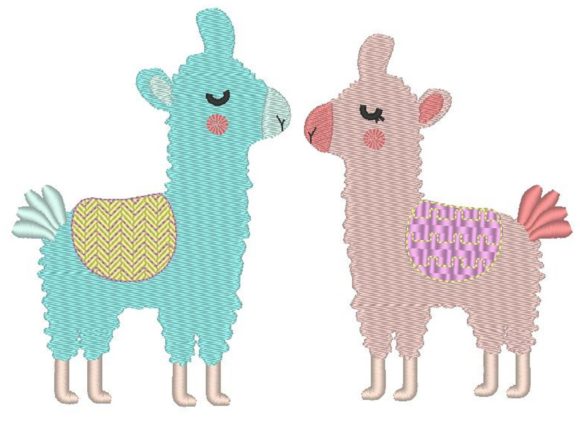
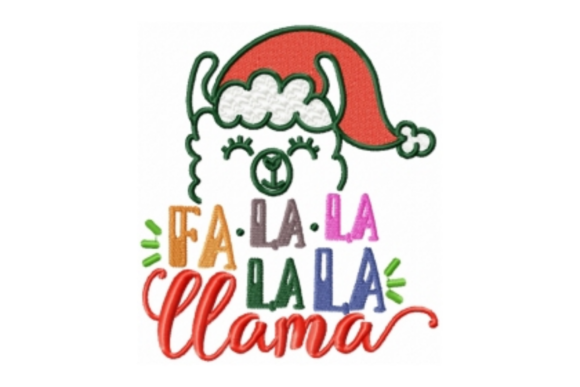
Falalalalala Llama is a design that immediately evokes warmth and playfulness. The cartoonish llama, with its oversized eyes and rounded body, feels like a character you’d find in a children’s storybook. Its soft, pastel color palette adds to the whimsical tone, making it ideal for holiday or baby-themed projects. As an experienced designer, I found myself thinking about how this design would translate into real-world embroidery applications—specifically, how it might look on a custom embroidered tote bag or a baby onesie.
First Impressions: A Festive Addition to Your Design Palette
At first glance, Falalalalala Llama is a delightful addition to any embroidery collection. The shape is simple yet expressive, with a gentle curve that gives the llama a friendly, approachable look. The layout is clean, allowing the main subject to stand out without overwhelming the background. This makes it versatile enough for both subtle accents and bold statements.
What stands out most is the level of detail in the facial features and body contours. The eyes are large and expressive, while the ears and tail add visual interest without being too intricate. This balance of simplicity and charm makes the design feel approachable and easy to work with, even for beginners.
Real-Life Applications: Where Does This Design Fit Best?
When considering where to use Falalalalala Llama, I thought of several practical scenarios. For instance, imagine creating a personalized gift for a new baby—perhaps a small embroidered patch or a cozy baby blanket. The llama’s cute and approachable nature makes it a perfect fit for nursery decor or baby clothing. It also works well for holiday items, such as embroidered tea towels or holiday-themed tote bags.
Another scenario I considered was using the design for a custom sweatshirt or t-shirt. The llama could be placed on the front or back, serving as a fun and eye-catching element. However, I also thought about how it might perform on more complex surfaces, like curved caps or layered garments. These considerations led me to think about the technical aspects of working with this design.
Technical Considerations: Practical Design Insights
Before committing to a project, I always recommend testing a design on scrap fabric. With Falalalalala Llama, I noticed that the stitch density is moderate, which means it won’t overwhelm the fabric but still provides enough detail to make the design pop. However, some areas, like the ears and tail, have denser stitching that may require careful handling, especially on thin or stretchy fabrics.
One thing to keep in mind is the use of stabilizer. Since the design includes both fill and running stitches, proper stabilizer placement is essential to prevent puckering or distortion. I also tested the design in black and white mockups to ensure clarity, especially in areas with fine details. This step helps identify potential issues before investing time in a final product.
For those planning to sell finished products or digital files, it’s important to confirm licensing terms. The design is digitized under a license granted by Creative Fabrica, so users should review the terms carefully before using it for commercial purposes. This ensures compliance and protects both the designer and the end user.
Design Performance: What to Expect in Real Projects
When applied to a tote bag or apron, Falalalala Llama looks charming and cohesive. The pastel colors blend well with most backgrounds, making it adaptable for various projects. However, on darker fabrics, the design may appear less vibrant, so it’s worth testing on different materials to see how it performs.
On baby clothes, the design adds a playful touch that appeals to parents looking for cute, handmade items. The simplicity of the design also makes it suitable for applique or satin stitch techniques, allowing for creative variations. For craft business owners or Etsy sellers, this design can be a valuable asset in building a cohesive brand identity.
Where to Use Carefully: Limitations and Tips
While Falalalala Llama is a versatile design, there are certain situations where it may not perform as well. Small hoop sizes can cause the design to look cramped, especially in areas with detailed corners or intricate patterns. On textured fabrics, the design may lose some of its clarity, so it’s best to test it on a variety of materials before proceeding.
Additionally, the design may not be ideal for products that require frequent washing, such as kitchen towels or aprons. The delicate nature of the stitching could lead to wear over time, especially if the fabric is prone to stretching or fraying. In such cases, using a high-quality stabilizer and selecting durable fabric types can help extend the life of the finished product.
Final Thoughts: A Reliable Choice for Handmade and Commercial Projects
Overall, Falalalalala Llama is a reliable choice for both personal and commercial embroidery projects. Its charm, versatility, and clean design make it a great addition to any designer’s toolkit. Whether you’re creating a personalized gift, a custom apparel piece, or a boutique product, this design offers a fresh and engaging option.
As a designer, I always encourage testing before committing to a project. By checking thread color contrast, reviewing stitch density, and confirming hoop size, you can ensure that the final product meets your expectations. With a little care and attention, Falalalalala Llama can become a standout feature in your next embroidery creation.